

Die Ou Bosstok

Die Ou Bosstok 2026
100% Chenin Blanc
Delicate aromas of stone fruit – peach and nectarine are complemented by hints of elderflower and oatmeal. The palate is poised and elegant, echoing the stone fruit character of the nose. Bright and lively, with zesty lemon freshness balanced by subtle lees complexity and a gentle creamy texture. Well integrated and beautifully layered, the wine combines freshness and structure with a refined, lingering finish. Understated yet expressive, it rewards with every sip.
Die Ou Bosstok 2025
100% Chenin Blanc
A fruit salad bouquet: peach, apricot with fruit blossom perfume and honey with a sprinkling of spice. The palate displays that same generosity – with ample peach, nectarine and loquat to be found, alongside rich marzipan and honeyed notes and even a taste of creamy chamomile. Ripe, rounded, broad and mouthfilling, it doesn’t become too full or bold since a bright line of acid keeps it fresh, lively and vibrant. A well balanced, full-flavoured but nuanced and composed mouthful with texture and length in spades. Thrilling.
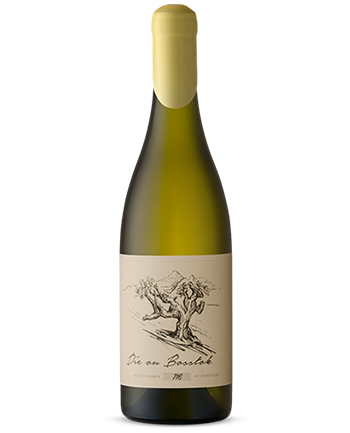
Die Ou Bosstok 2024
100% Chenin Blanc
Trademark restrained pear and nectarine fruit notes, lightly dusted with spice. In the mouth it’s more of the same with the lightly tangy, zesty stone fruit flavours apparent against a backdrop of focussed, taut, acid freshness. Texturally, the wine is compact and cohesive with good density as well as mouthfeel. Adding to the overall impression is its poise and balance, along with leesy breadth. The finish is long and parts on a lemon zest note.
Die Ou Bosstok 2022
100% Chenin Blanc
Aromas of pear, nectarine, and persimmon mingle with oatmeal and a touch of lemon zest. The entry to the palate is fresh, with ripe pear, nectarine, and golden cling peach instantly apparent. A balanced lemony acidity counteracts the richness of the fruit flavours, adding poise and succulence. Mouth-filling and composed yet simultaneously clean, fresh, and poised. Very deft construction with the elements of fruit, acidity, texture, and length in beautiful harmony. Delightful long, dry, and clean tail.
Accolades: 91 Points – Tim Atkin MW
Vintage Notes
Good winter rainfall replenished the soils, followed by a warm, dry spring and summer. Healthy canopies and even fruit set resulted in higher-than-expected yields, while the warm, dry ripening conditions produced smaller berries with excellent concentration and flavour, balanced by slightly lower acidity than usual. This was our earliest vintage on record, progressing at a rapid pace throughout. Overall, it was a high-yielding, good-quality vintage, producing wines with remarkable flavour intensity, balance and character.
Winemaking
he grapes were hand-picked in the early morning and carefully transported in small boxes to the cellar next to the vineyard. Here, the fruit was gently de-stemmed and pressed, with the juice left to settle overnight. The settled juice was then transferred to two clay amphorae (69%) and an older 500L French oak barrel, where it underwent natural fermentation. The wine was aged on its lees for six months without malolactic fermentation, before being blended and bottled.
Origin of Fruit
Franschoek
Soil Type
Decomposed Granite
Vintage Notes
The preceding winter brought above-average rainfall, helping to replenish dam levels and restore soil moisture. This, combined with a moderate and dry spring and summer, led to vigorous vine growth and ideal conditions for ripening. The stable weather continued through the growing season, creating the foundation for an excellent harvest. Healthy, well-developed canopies shielded the fruit and supported even ripening, resulting in grapes picked at perfect maturity with vibrant acidity and fresh fruit character. The 2025 vintage stands out as one of the strongest in recent memory.
Winemaking
This vineyard has a unique history and an extraordinary story of two lives. First planted in 1964 on the slopes of the Paardeberg Mountains between Malmesbury and Paarl in the Swartland, these old bush vines were removed from their original home and replanted on the north facing decomposed granite slopes of L’Ormarins, Franschhoek in 2007 & 2008 where they now produce this single varietal wine. Yielding on average around 2 – 3 tons/ha, the vines produce fruit with great purity and balance.
Origin of Fruit
Franschoek
Soil Type
Decomposed Granite
Vintage Notes
The preceding winter of the 2024 harvest will be remembered as one of the wettest on record in the Western Cape, with heavy rains and strong winds causing severe flooding in September and leading to reduced yields in many growing areas. This was followed by hot, dry conditions that accelerated the growing season, resulting in an unusually early, fast paced harvest. Despite the challenges, these conditions brought exceptional flavour concentration to the fruit, which retained high natural acidity. The vintage holds the promise of delivering wines of remarkable quality, with complexity and vibrancy that will stand out.
Winemaking
This vineyard has a unique history and tells an extraordinary story of two lives. First planted in 1964 on the slopes of the Paardeberg Mountains between Malmesbury and Paarl in the Swartland, these old bush vines were later uprooted and replanted in 2007 and 2008 on the decomposed granite north facing slopes of L’Ormarins in Franschhoek. Here, they produce a single-varietal wine, yielding an average of 2 to 3 tons per hectare, with fruit that captures exceptional purity and balance.
Origin of Fruit
Franschoek
Soil Type
Decomposed Granite
Vintage Notes
Another cold, wet winter preceded the growing season, resulting in good dormancy and healthy water levels. These conditions continued into the spring, resulting in delayed but fairly even bud break, flowering, and fruit set. During the growing season, mildew-friendly conditions persisted, putting additional strain on careful canopy management. Cool weather and rain in early summer delayed ripening and kept the vineyards in excellent condition as they approached the final stages of ripening, resulting in another late vintage. Healthy canopy conditions allowed for good flavour development and bright, vibrant acidity, resulting in well-balanced, age-worthy wines.
Winemaking
This vineyard has a unique history and an extraordinary story of “2 lives”. First planted in 1964 on the slopes of the Paardeberg Mountains between Malmesbury and Paarl in the Swartland, these old bush vines were removed from their original home and replanted on the north facing decomposed granite slopes of L’Ormarins, Franschhoek in 2007 & 2008 where they now produce this single varietal wine. Yielding on average around 2 – 3 tons/ha, the vines produce fruit with great purity and balance.
Origin of Fruit
Franschoek
Soil Type
Decomposed Granite

Blend
Ample ripe black fruit, Christmas pudding, spice and cigarbox - all beautifully underpinned by refined oaking.
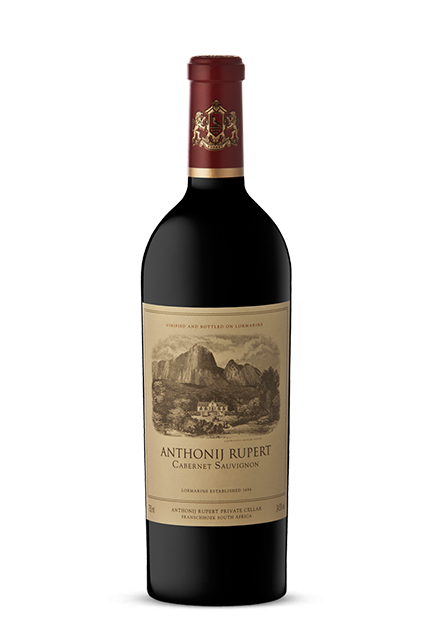
Cabernet Sauvignon
A study in subtlety: Christmas cake, typically Bordelaise tea leaf, cassis, violet and spice aromatics.

Cabernet Franc
Fruitcake, cassis and spice nose with a light floral whiff adding an extra element.

Syrah
Understated fynbos edge to plump black plum and vanilla spice with a hint of violets on the nose.
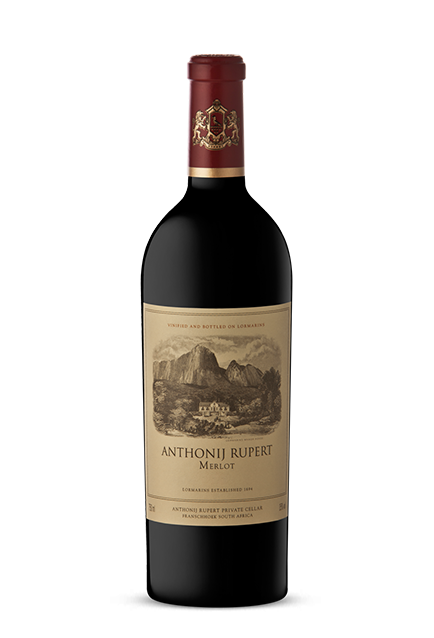
Merlot
Mellow blueberry fruit tinged with cinnamon spice and a light, turned earth note.
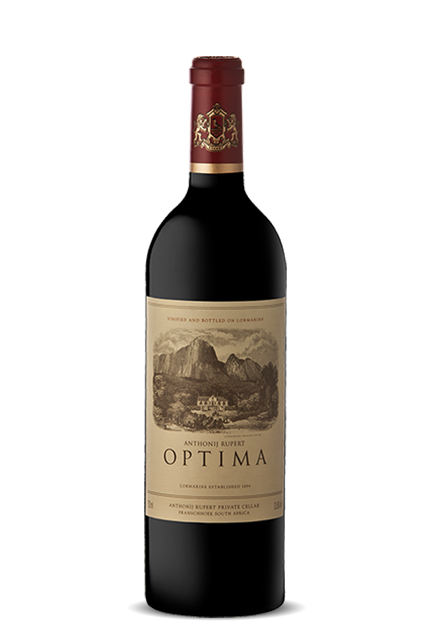
Optima
Delightful interplay of blackcurrant, cassis, violet perfume and an earthy richness.

Petit Verdot
Enveloping rich fruitcake aromatics with a hint of charcuterie alongside spice.
Die Ou Bosstok
Made from 1964 bush vine Chenin Blanc. The transplant of these old vineyards from the Paardeberg Mountains to L’Ormarins is unprecedented.

Die Ou Bosstok Cinsault
Vivid aromas of strawberry, cherry and blueberry – ripe and plump – on the nose.